
Choosing the right tiles is one of the most important decisions when designing a home. It’s a long-term investment that defines the character, functionality, and beauty of a space. Italian tiles, as a symbol of superior design and unparalleled quality, offer a vast selection. This guide will help you align your desires with your needs and make a choice you’ll be happy with for years to come.
Step 1: Room Analysis – Function First
Before you get carried away by beautiful designs, it’s crucial to consider the technical requirements of the room where you’re installing the tiles.
- The Bathroom: This is a wet and demanding environment.
- Floor: The absolute priority is slip resistance. Choose tiles with an R10 rating or higher. Matte or slightly textured surfaces are a safer choice than polished ones.
- Wall: You have more freedom here. You can use glossy tiles to visually enlarge the space or play with decorative and 3D tiles on an accent wall (e.g., in the shower).
- Maintenance: Large-format tiles mean fewer grout lines, which makes cleaning easier and reduces mold buildup.
- The Kitchen: The heart of the home, where stains and wear are a daily reality.
- Floor: High abrasion resistance (PEI 3 or 4) and stain resistance are necessary. Porcelain tiles are the ideal choice as they are non-porous. A matte finish is better at hiding minor smudges.
- Backsplash: This is your chance to get creative! It must be easy to clean and non-absorbent to resist grease. You can choose from small decorative tiles, a brick-look, or elegant large-format slabs.
- The Terrace and Outdoor Areas: Faced with extreme conditions.
- Frost Resistance: This is the most critical feature. Exclusively choose porcelain stoneware (gres porcellanato) tiles marked as frost-resistant, as they have minimal water absorption (below 0.5%).
- Slip Resistance: Due to rain and snow, high slip resistance is essential (R11 or higher). Choose tiles with a structured, textured surface.
- Thickness: For areas like garden paths, consider 2 cm thick pavers that can be dry-laid on sand or gravel.
- The Living Room and Hallways: High-traffic areas.
- Abrasion Resistance: For these zones, choose tiles rated PEI 4 or even PEI 5 if it’s a home entrance.
- Aesthetics: Large-format tiles with the look of marble, stone, or wood give the space a sophisticated and seamless appearance.
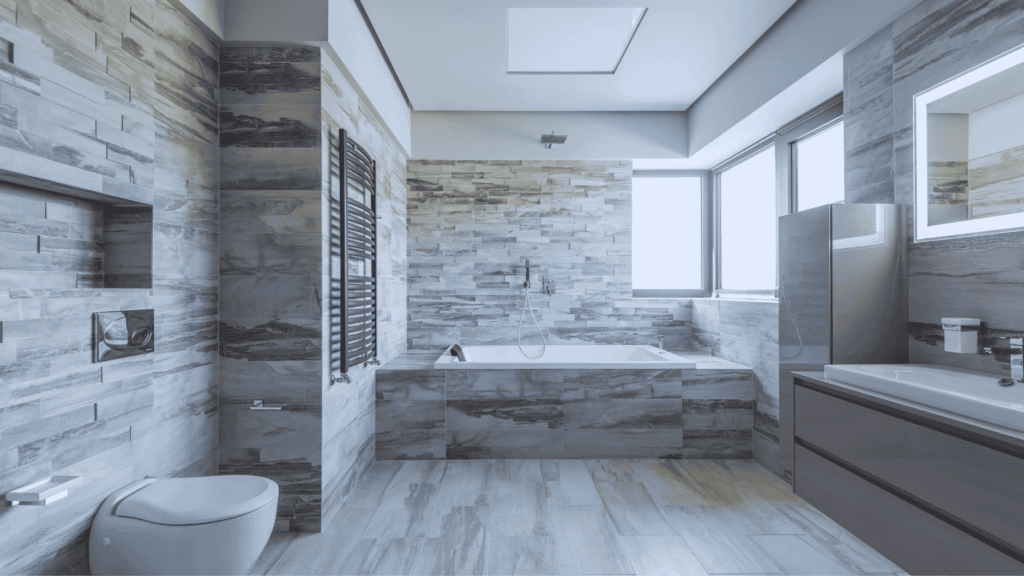
Step 2: Matching Your Style – Aesthetics that Define You
Once you’ve defined the technical needs, it’s time for the fun part. Italian design offers solutions for every style.
- Minimalist and Modern: Look for large formats, clean lines, and neutral tones. Tiles that mimic concrete, resin, or metal are a perfect choice.
- Classic and Elegant: Timeless elegance is achieved with marble-look tiles (Carrara, Calacatta, Statuario) or other noble stones.
- Rustic and Natural: For a warm and cozy ambiance, choose wood-look tiles that offer incredible fidelity to detail, or terracotta and stone-look options.
- Industrial: A combination of concrete-look tiles on the floor and brick-look tiles on the wall creates an authentic loft feeling.
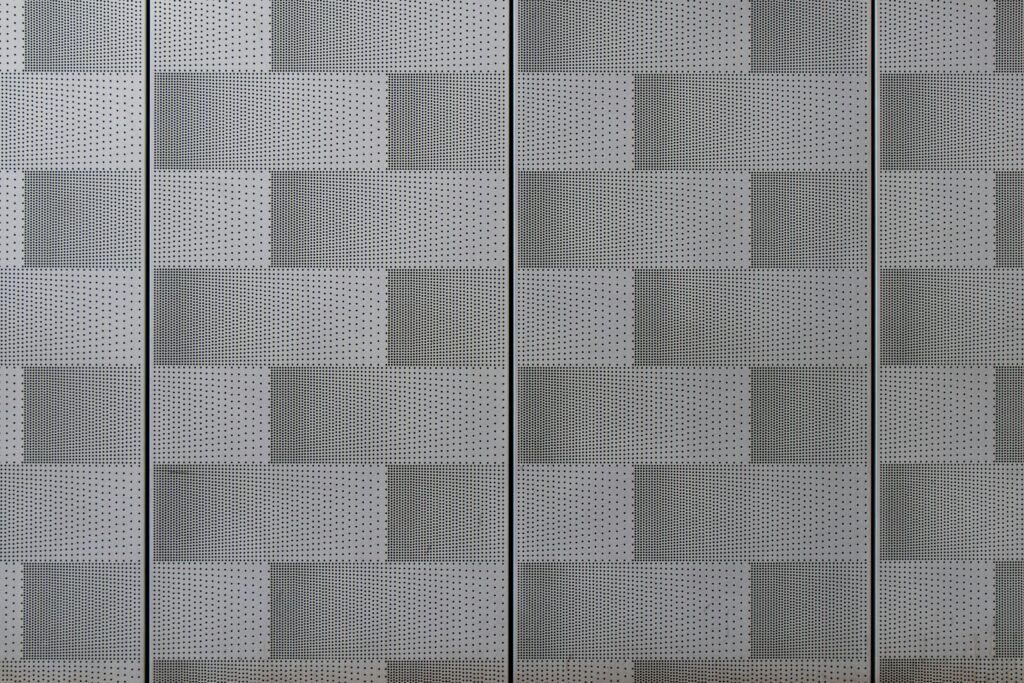
Step 3: The Finish and Technical Details – Understanding the Labels
The final look and performance of a tile depend on its finish.
- Matte (Naturale/Opaco): The most versatile option. It has a natural look, is easy to maintain, is less slippery, and hides water spots and dust well. Ideal for almost any room.
- Glossy/Polished (Lucido/Levigato): Provides a luxurious look, reflects light, and makes a space feel larger. It is more susceptible to scratching and is very slippery when wet, so it’s not recommended for bathroom floors or entryways.
- Textured (Strutturato): It has a relief, often rough, surface. It provides maximum slip resistance and is primarily used for outdoor areas.
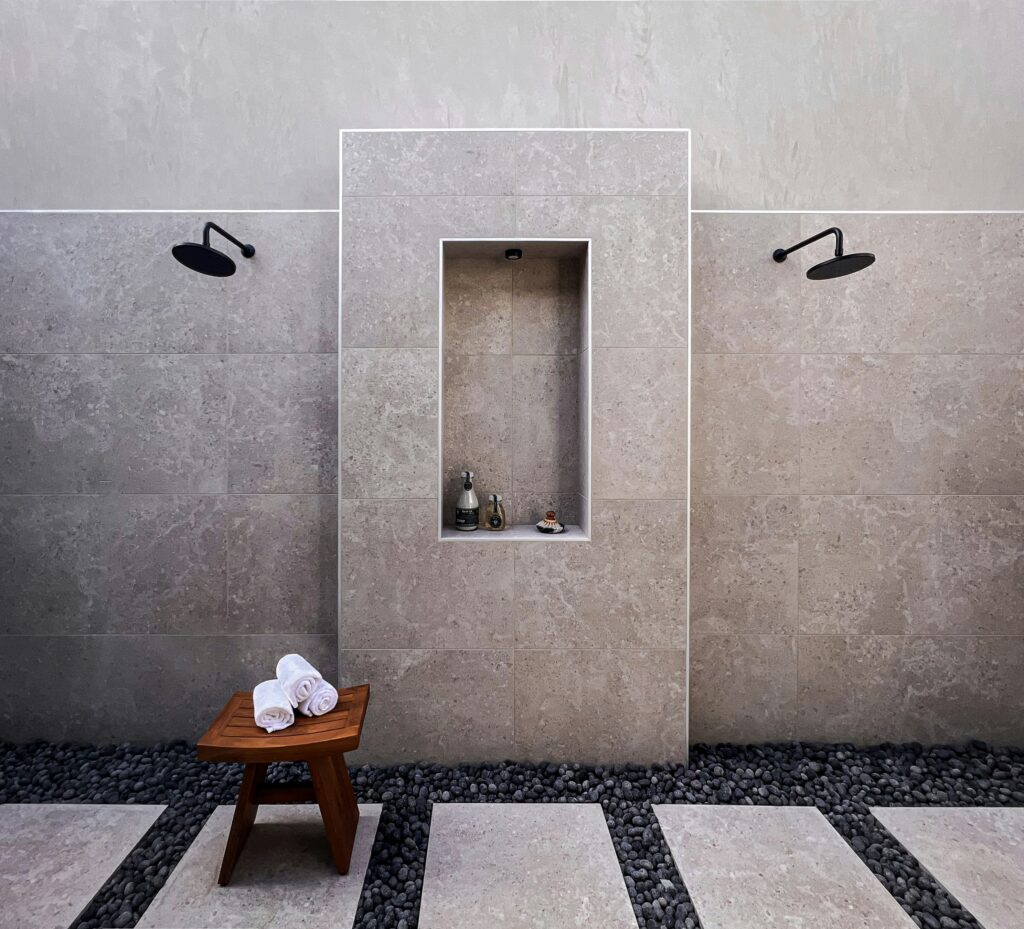
Key Technical Ratings:
- PEI (Porcelain Enamel Institute): A rating for abrasion resistance (1-5).
- R (Rutsch): A German rating for slip resistance (R9-R13). The higher the number, the less slippery the tile.
- Tone and Caliber: Tiles from the same series can vary slightly in shade (tone) and size (caliber) from one production batch to another. Always buy tiles from the same batch and purchase 10-15% extra for cuts and waste.
Conclusion
Choosing the ideal Italian tile is a careful balance between functionality, quality, and design. By following these steps-analyzing the room, defining your style, and understanding the technical specifications-you can be confident that you will select a product that not only looks spectacular but also perfectly serves its purpose.