When it comes to high-end interior design, few products have as powerful and lasting an impact as Italian ceramic tiles. They are not merely functional floor or wall coverings; they are a piece of history, a work of art, and a symbol of enduring quality. The story of Italian tiles is a journey through centuries, where ancient craft techniques meet the latest technological innovations, creating a product that is both timeless and thoroughly contemporary.
Roots in a Rich History: From Majolica to the Industrial Revolution
The history of Italian ceramics dates back to ancient times, beginning with the Etruscans and the Roman Empire. However, the period that truly defined its artistic soul was the Renaissance. During the 15th and 16th centuries, the Majolica technique-glazed and hand-painted earthenware-flourished in cities like Faenza, Deruta, and Castelli. These tiles, with their vibrant colors and complex motifs ranging from floral patterns to narrative scenes, adorned palaces, churches, and noble homes, becoming a status symbol and an expression of artistic taste.
This tradition of craftsmanship and artistic expression laid the foundation for what was to come. With the industrial revolution in the 19th century, and especially after World War II, production modernized. The Emilia-Romagna region, with the city of Sassuolo at its heart, became the global epicenter of the ceramic tile industry. Here, small artisan workshops grew into high-tech factories, but the passion for design and quality remained unchanged.
The Interweaving of Tradition and Modern Trends: Design in Evolution
What makes Italian tiles unique is their ability to view tradition not as a limitation, but as an inexhaustible source of inspiration. Contemporary Italian designers constantly reinterpret this historical heritage:
- Reinterpretation of the Classics: Traditional Majolica patterns, geometric motifs from ancient floors, or delicate floral details are reappearing in modern collections. Thanks to digital printing technology, these intricate designs can be precisely reproduced on large-format tiles, creating a dramatic visual effect.
- Innovation in Materials and Formats: The Italian industry is a pioneer in the development of porcelain stoneware (gres porcellanato), an exceptionally resistant and durable material. Today, large-format tiles (e.g., 120×240 cm) dominate, creating a sense of spaciousness and continuity with minimal grout lines.
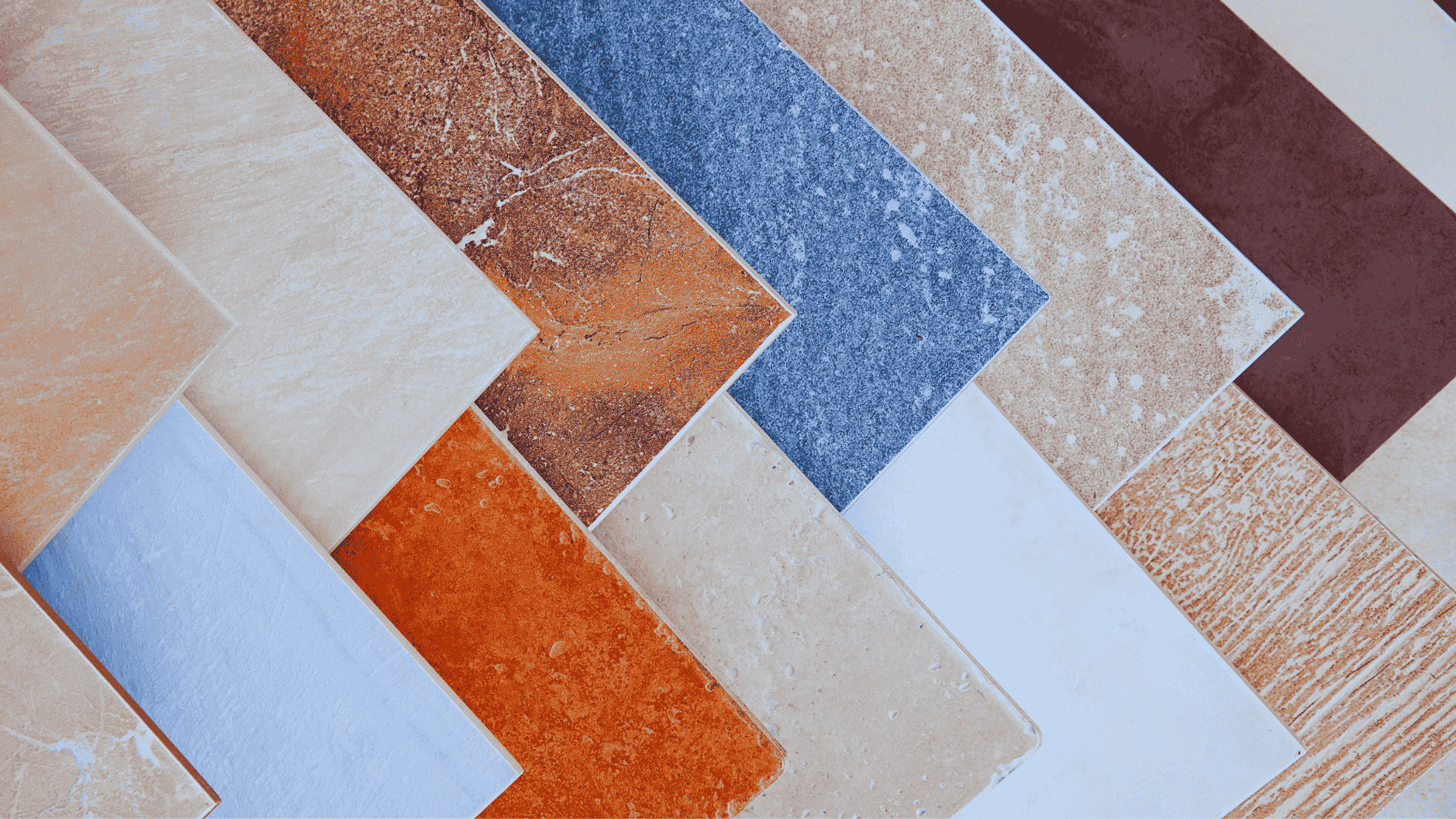
- Imitation of Natural Materials: One of the most significant trends is the creation of tiles that replicate the look and texture of natural stone, marble, wood, and even metal and concrete with incredible fidelity. This allows for the combination of the aesthetics of natural materials with the superior performance of ceramics-water resistance, durability, and ease of maintenance.
- Three-Dimensional Textures: The play of light and shadow has become a key design element. Tiles with relief, 3D textures add depth and dynamism to walls, transforming them into sculptural surfaces.
The Story of Quality and Aesthetics: The Secret of “Made in Italy”
In the world of ceramics, the “Made in Italy” label is a guarantee of superior quality. This reputation is built on several pillars:
- Technological Superiority: Italian factories constantly invest in research and development, using state-of-the-art technologies for pressing, firing, and digital decoration. This results in products with top-tier technical characteristics.
- Strict Quality Control: From the selection of raw materials (purified clays, kaolin, feldspar) to every stage of the production process, rigorous controls are implemented to ensure dimensional precision, and resistance to frost, chemicals, and abrasion.
- Unmistakable Aesthetics: Italian design is synonymous with sophistication. Carefully selected color palettes, elegant patterns, and innovative textures ensure that each collection tells its own story, enabling the creation of unique and personalized spaces.
Conclusion
Italian tiles are much more than a building material. They are heritage, innovation, and art fused into a single product. By choosing Italian ceramics, you are not just investing in durability and functionality, but in a beauty that will enrich your space and last for generations, carrying within it the spirit of tradition and a vision for the future.